
Home / Areas / Rosemary District
ROSEMARY DISTRICT, SARASOTA
Emergency Plumber for Rosemary District Apartments, Condos and Townhomes
In a building with neighbors above and below, a plumbing leak is rarely only yours. In the Rosemary District the first job is to find which unit, which pipe and which valve before the water moves down a floor.
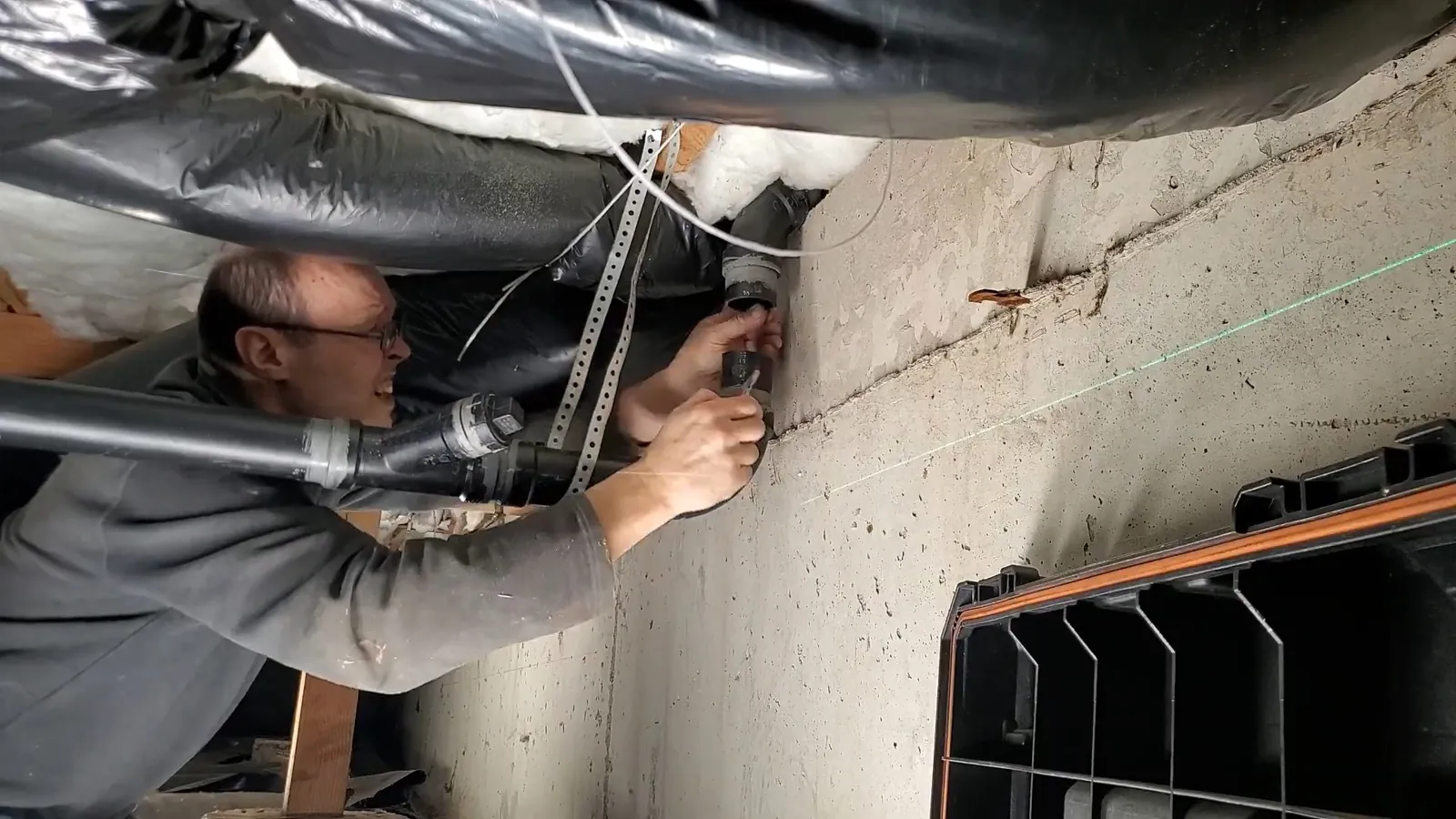
The Rosemary District has been rebuilt over the last decade into a place of apartments, condominiums, townhomes and street-level shops. In 2014 the City created the Rosemary Residential Overlay District, which allows up to 75 units an acre on individual properties, so many of the buildings here stack households on top of one another. That changes how a plumbing problem behaves.
Water in a multi-unit building travels
In a house, a leak stays in the house. In a mid-rise, water follows pipes, framing and drywall to the unit below, and sometimes to the one below that. Minutes matter more than the size of the leak.
- Shut off the valve nearest the source: the fixture stop, then your unit's shutoff if you have one.
- If you cannot find a unit shutoff, tell the building manager at once. The building shutoff may be in a riser closet or a utility room.
- Knock on the unit below if water is coming through their ceiling, and tell them what is happening.
- Photograph the source, the wet areas and anything damaged.
- Call a plumber, and give the unit number and floor.
Water already moving between units? Call now with your unit and floor.
CALL A PLUMBER NOW(727) 766-0323Whose pipe is it: your unit, the building, or the City?
In a building with shared walls, three parties can own the failed part: you, the association or landlord, and the City. A leak from a fixture, a supply line or a water heater inside your unit is usually the unit's responsibility to repair. A shared riser, a drain stack or a pipe inside a common wall usually belongs to the building.
| Where is the problem | Usually handled by | First step |
|---|---|---|
| A fixture, supply line or heater inside your unit | You or your landlord | Shut the fixture stop and call a plumber |
| A shared riser or drain stack | The building or association | Call the building manager, who calls its own plumber |
| A burst pipe inside a ceiling shared with another unit | Both, until the source is found | Shut the building valve if you can reach it, and report it |
| Water or sewage at the street | City Utilities | Call 941-263-6884, option 2 |
Your lease or your association's documents settle who pays. Read them before you agree to anything. The plumber can say where the failure is, and a plain written report from the plumber is the best document to hand the manager or your insurer. See locating a hidden leak when the source is behind a wall and not visible.
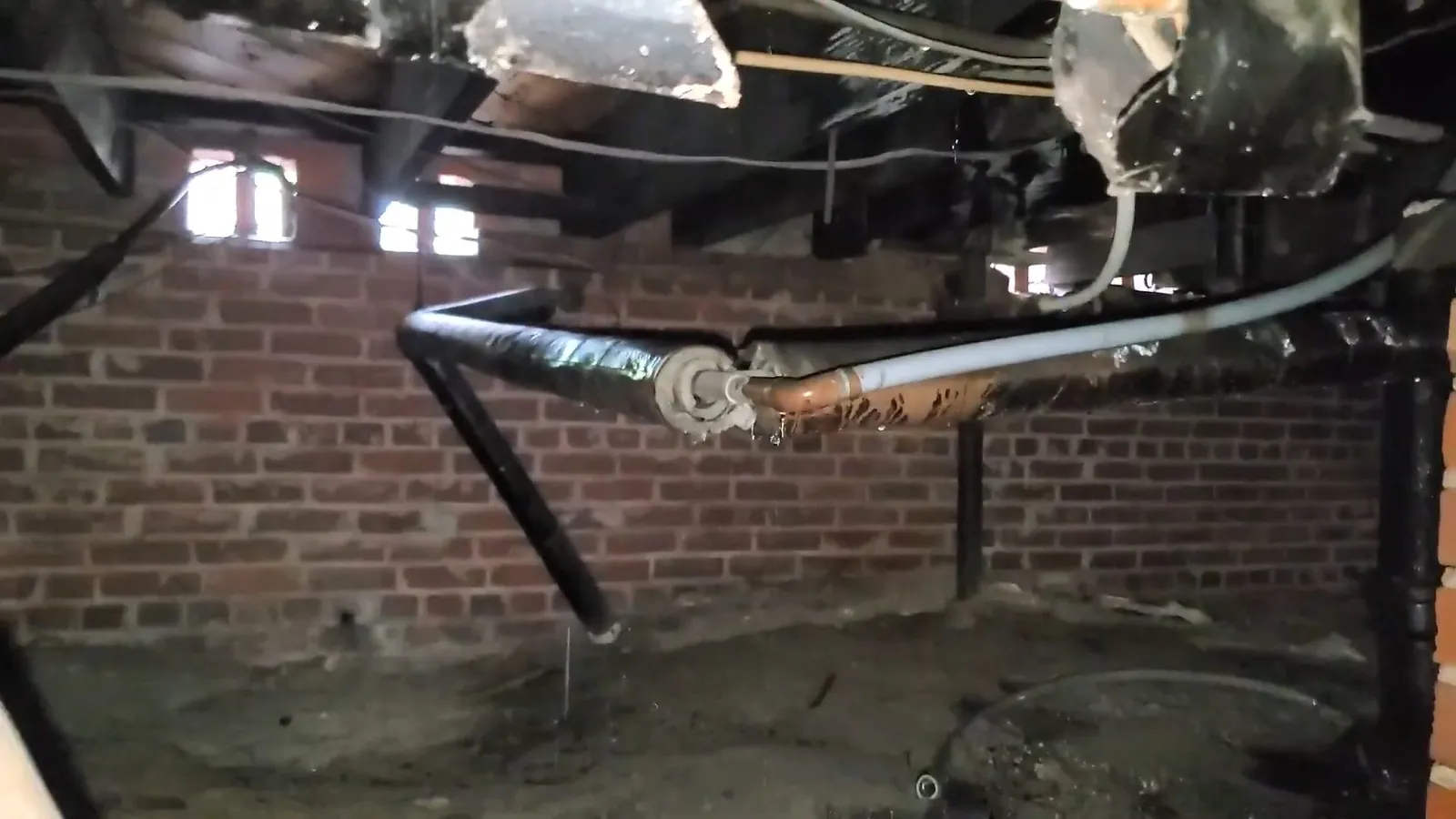
A slow drain in one unit, or in a whole stack?
When every unit on one line has trouble draining, the cause is probably in the shared drain stack and not in any one sink. A slow drain in one unit with clear drains next door points to that unit's own branch line. Ask neighbors on the same line whether they have noticed the same thing before paying for work that the building should cover.
- Only your kitchen sink: a local clog. See kitchen and bathroom drain clearing.
- A toilet that gurgles when a neighbor above runs water: a shared stack issue to report to the building.
- Every unit on a line backing up: the building's main line, or the City's pipe at the street. Call the manager and City Utilities.
Finding your building in the district
The district is bounded by Fruitville Road to the south, 10th Street to the north, U.S. 41 to the west and Orange Avenue to the east. Central Avenue, Boulevard of the Arts, Cocoanut Avenue and Lemon Avenue run through it. When you call, give the street address, the building name if there is one, the unit number and the floor. Addresses in the district generally fall in ZIP 34236, one of the ZIP codes we cover.
Water heaters and utility closets in an apartment
Many apartments keep the water heater in a small closet. A leak there can run unseen behind a door for days. Look at the floor around the tank when you do your monthly walk-through, and check the drain pan if there is one. If the heater is old or rusting at the base, ask about a replacement tank before it fails, since a failure in a closet can reach several rooms.
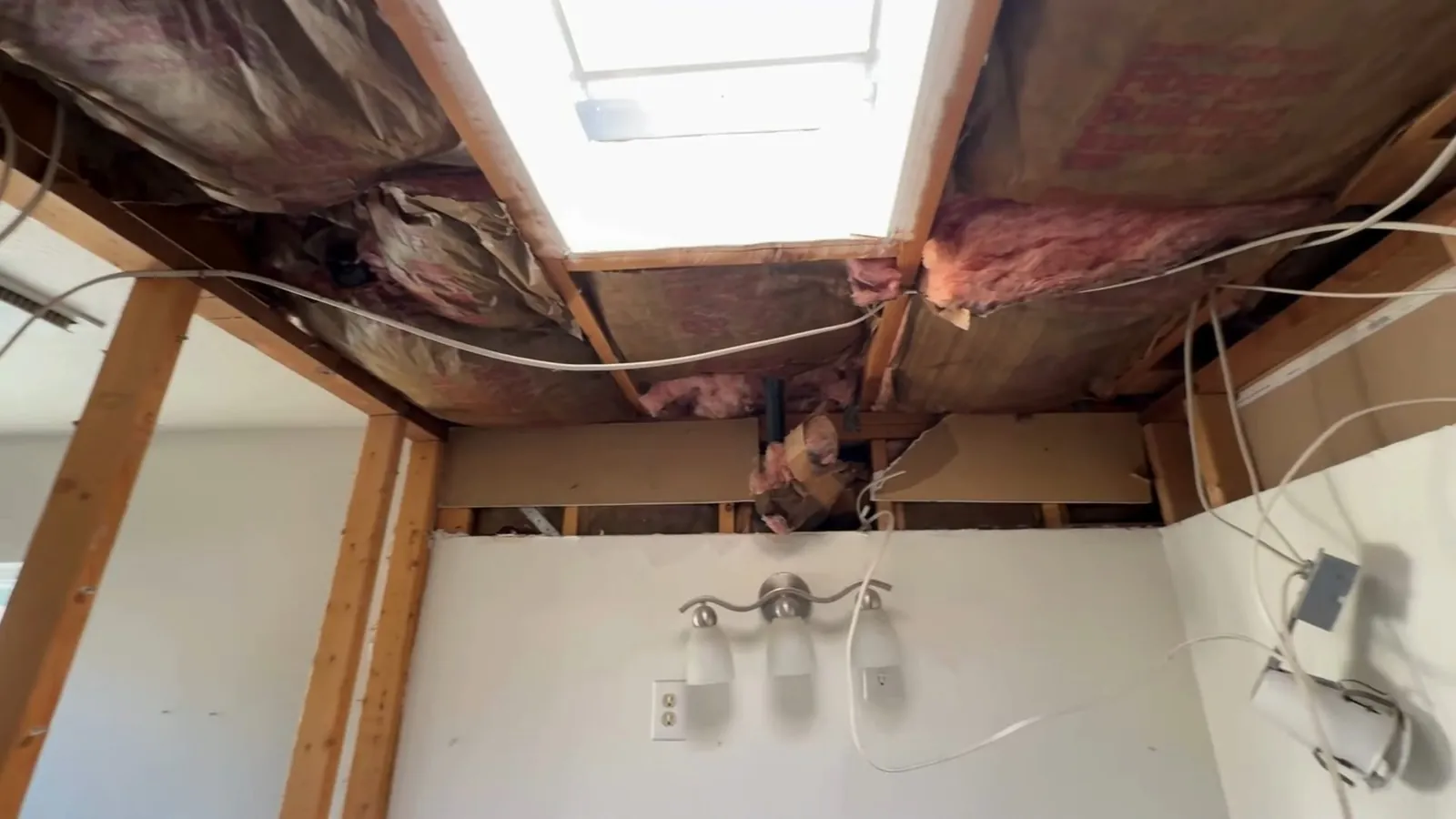
Moving in, moving out and the leak check
Apartments change hands often, and a unit that sat empty between tenants is where small leaks hide. Before you sign off on a move-in, run every tap, flush every toilet and look under each sink and around the water heater for moisture. Report anything you find to the manager in writing, with photographs and the date.
On move-out, the same walk-through protects you. A stain you reported and a stain you did not are very different when a deposit is decided. If a plumber finds the cause of a leak, ask for a written note naming the failed part, since that is the document a manager or an insurer will want.
Permits and licensing in the City
The City of Sarasota Building Division, at 941-263-6494, handles permits. The City's guideline exempts a leak repair or a stoppage when no valves, pipes or fixtures are replaced or rearranged. Replacing concealed pipe counts as new work needing a permit and an inspection. In a multi-unit building, the association or manager often has rules on who may do work and when, so ask about that first. Check any plumber's Florida license on myfloridalicense.com before they start.
If water has reached a neighbor's unit, see drying and cleanup after a leak for what comes next and the separate number to call. For how prices are quoted once the problem is found, see the cost page. Near the district, the Gillespie Park neighborhood is a neighborhood of single-family streets with the same City utility.
Water coming through a ceiling or a wall?
Shut off the nearest valve, tell your building manager and call. Give the unit number and the floor.