
Home / Services / Water Heater Installation
WATER HEATER INSTALLATION AND REPLACEMENT
Water Heater Replacement in Sarasota, FL: Choosing the Unit Before the Old One Fails
The tank is leaking, or it is old enough that you would rather choose the replacement than have the water choose for you. Either way, a few decisions made before the visit decide how smooth the day goes.
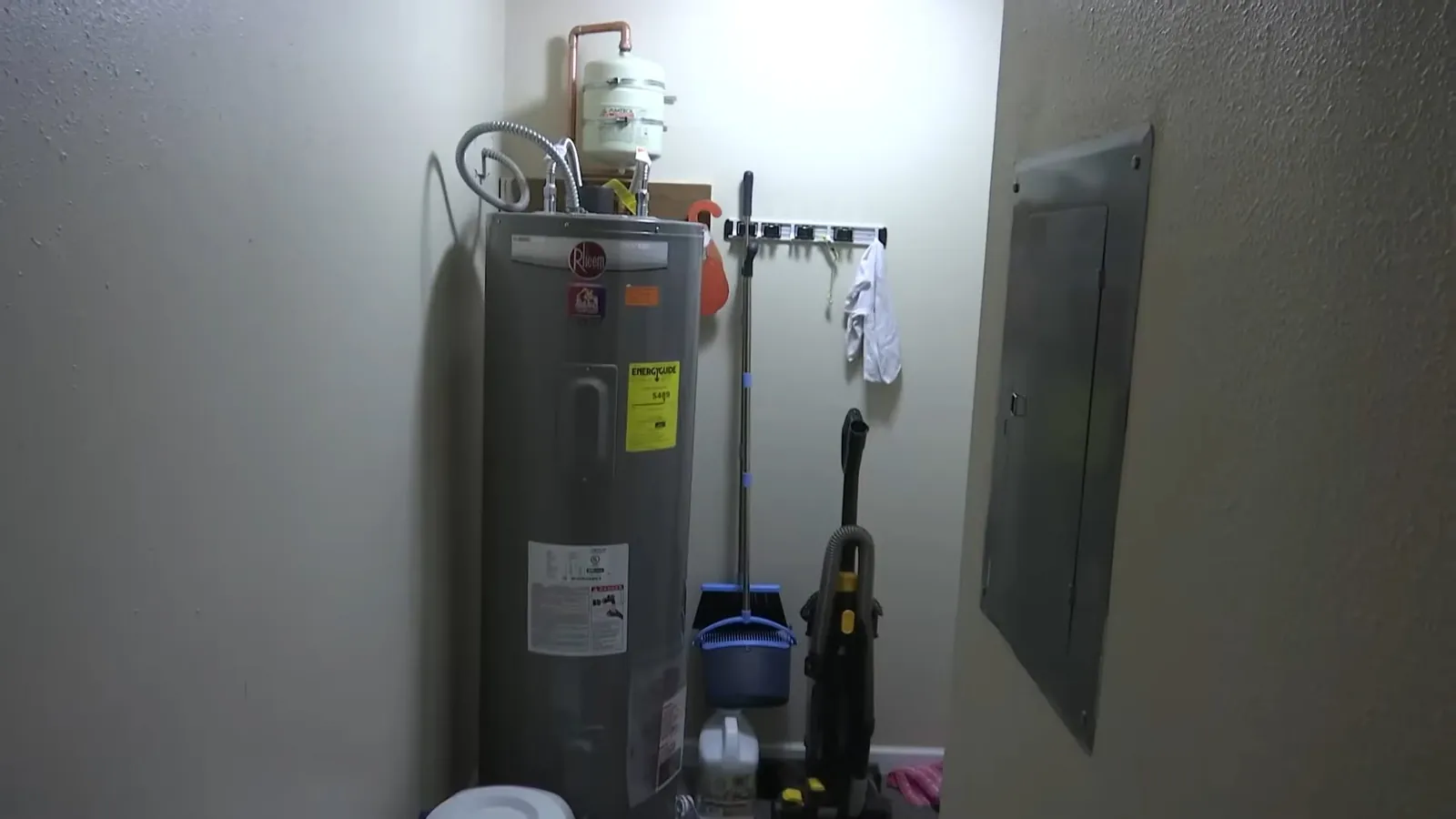
A water heater replacement is rarely urgent until it is. A tank that fails leaves you without hot water and with water on the floor, and the decisions that would have taken a week now have to be made in a morning. Making the main ones in advance is the quickest way to shorten that morning.
Is it time to replace, or can it be repaired?
A leaking tank is the clearest answer. Water at the base of the tank or from a seam means the tank itself has failed, and no part will fix it. If the problem is a part, see a failed part, repaired to judge whether the unit is worth keeping.
| Sign | Points to | Next step |
|---|---|---|
| Water pooled under the tank | Tank failure | Shut the supply valve and call the same day |
| Rust-colored hot water | Corrosion inside the tank | Plan replacement soon |
| Repeated part failures | An aging unit | Ask for repair and replacement estimates side by side |
| No hot water, tank dry underneath | A part failure | Ask about repair first |
Water under your heater? Shut the cold supply valve and call.
CALL A PLUMBER NOW(727) 766-0323Gas, electric or hybrid: which fits your house?
The fuel you have now usually decides the easy path, and switching is a bigger job than swapping a tank.
- Gas: needs a gas line, a vent and combustion air. Replacing with gas in the same location is the simplest swap.
- Electric: needs a dedicated circuit of the right size. A change from gas to electric may need an electrician.
- Hybrid (heat pump): uses less electricity but needs clearance and airflow, and it cools and dehumidifies the space around it. Ask whether your closet or garage suits it.
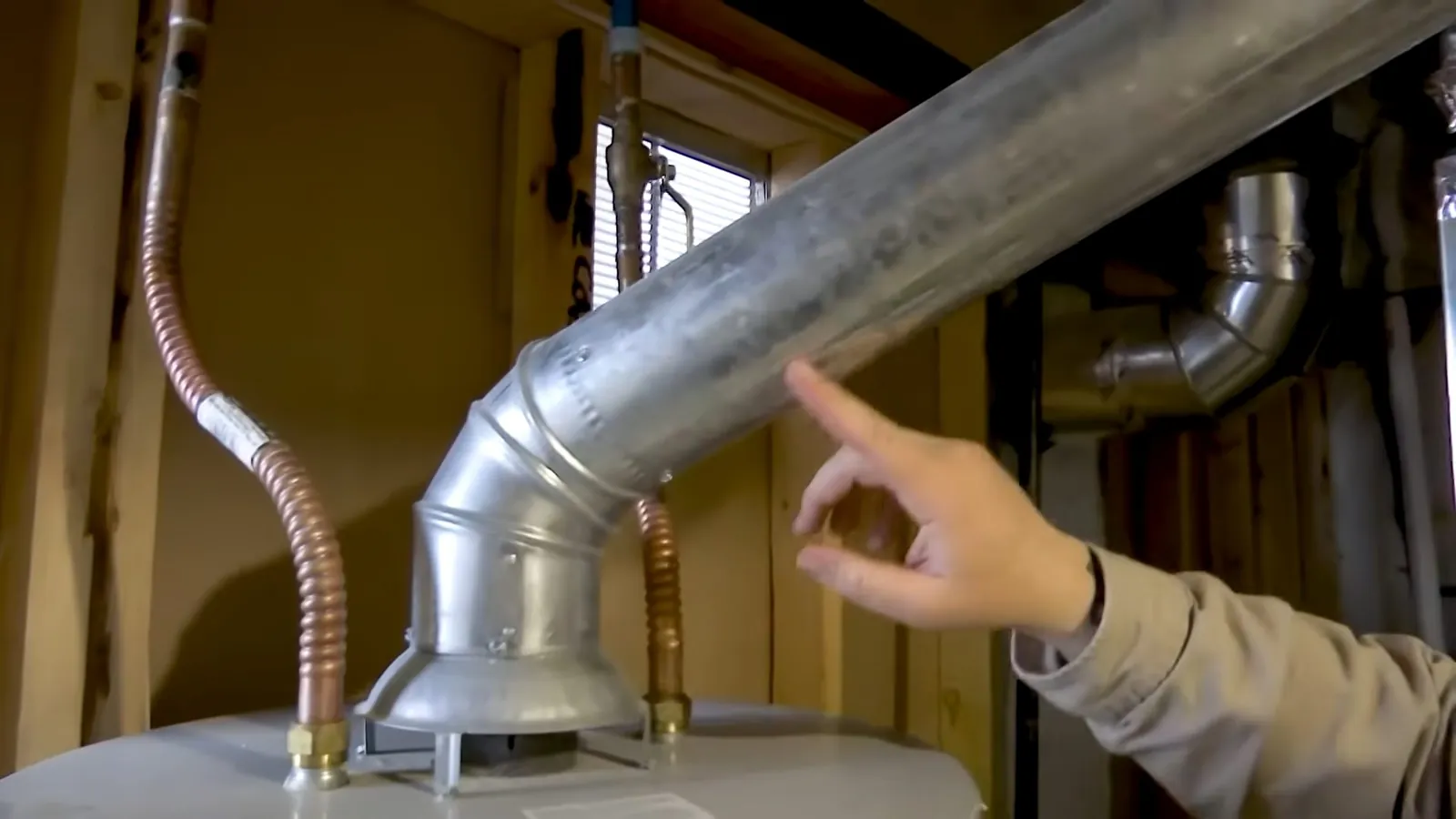
Sizing a water heater and choosing where it goes
Size depends on how many people use hot water and how many fixtures run at once. Ask the plumber to size it for your household, not to match the old tank by default. If the heater sits above living space or in a closet, ask about a drain pan piped to a safe spot, and about where the relief valve discharge ends.
Access matters too. A heater in a tight closet or an attic can take longer to remove and set, and the plumber should tell you that upfront.
What a proper installation includes
- Shutting off and draining the old unit, and removing it from the house.
- New supply connections, shutoff valves and flexible connectors in good condition.
- A relief valve with a discharge pipe run to a safe termination.
- An expansion tank where the plumbing is a closed system. Ask whether yours is.
- Venting and gas or electrical connections that match the new unit, then a leak test and a startup check.
Ask what the price includes for removal and disposal of the old tank, and what the warranty covers on parts and on labor.
Does replacement need a permit?
The City of Sarasota Building Division's guideline does not name water heaters, so do not assume either way. Call 941-263-6494 for the City or 941-861-5000 for Sarasota County Building, and ask your plumber who will confirm and pull any permit. Ask what the answer is based on.
If the tank is failing and you cannot replace it today
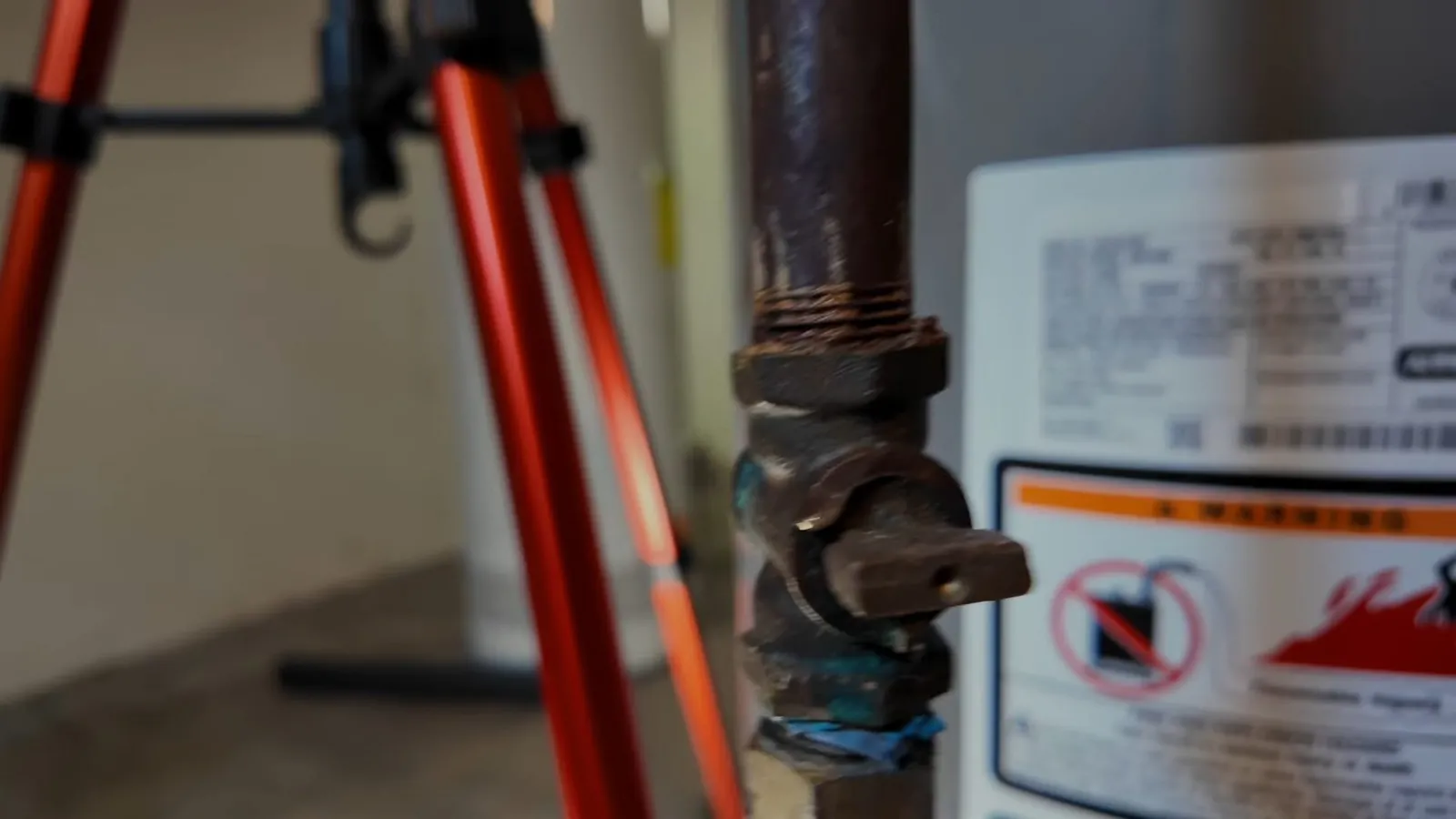
If water is leaking from the tank, shut the cold supply valve above it and turn off the gas or the power to the unit. Put a bucket or a pan under any drip, and open a hot tap to relieve pressure. Do not keep running a tank that leaks into a closet or a wall.
Tell the plumber when you call whether the unit sits on a finished floor or above living space. That changes how fast the visit needs to happen and how much protection the floor needs.
What happens to the old tank
The plumber should haul the old unit away, but confirm it. Some jobs leave the tank on the curb for you to deal with, and a tank full of sediment is heavy and awkward to move.
Tank or tankless?
A tankless unit heats water as it flows, so there is no tank to leak, but the install is different: usually larger gas supply, a different vent and sometimes a new circuit. If you are weighing it, read tankless installation requirements before the plumber visits.
Questions to ask the installer
- What size and fuel type are you recommending, and why for this house?
- What is included for removal, disposal and any code upgrades?
- Who pulls the permit, if one is needed, and when is the inspection?
- What does the warranty cover on the tank, on parts and on labor, and who do I call if it fails?
- Will you register the warranty, and will I receive the paperwork?
What the warranty does and does not do
A tank warranty usually covers the tank for a stated period and parts for a shorter one, and labor is often covered separately, if at all. Ask for each in writing. A long tank warranty with no labor coverage means a failed tank still costs you the installation twice.
Replacement day: clearing access and what to expect
- Clear a path to the heater and the area around it.
- Expect the water to be off for most of the visit.
- Ask to see the old unit's label before it leaves, so the age and model are on record.
- Run hot water at every fixture afterward, and check the pan and fittings for drips.
For what usually moves the price of a replacement, read water heater cost factors.
Heater failing, or planning ahead?
Call and describe what you have now: gas or electric, where it sits and how old it is.