
Home / Services / Water Damage Restoration
WATER DAMAGE CLEANUP AND DRYING
Water Damage Restoration in Sarasota, FL: What to Do Before the Drying Starts
A pipe let go, a heater failed, or water came through the ceiling. The leak is stopped, and now there is a wet floor, wet drywall and a clock running. Here is what to do in the meantime.
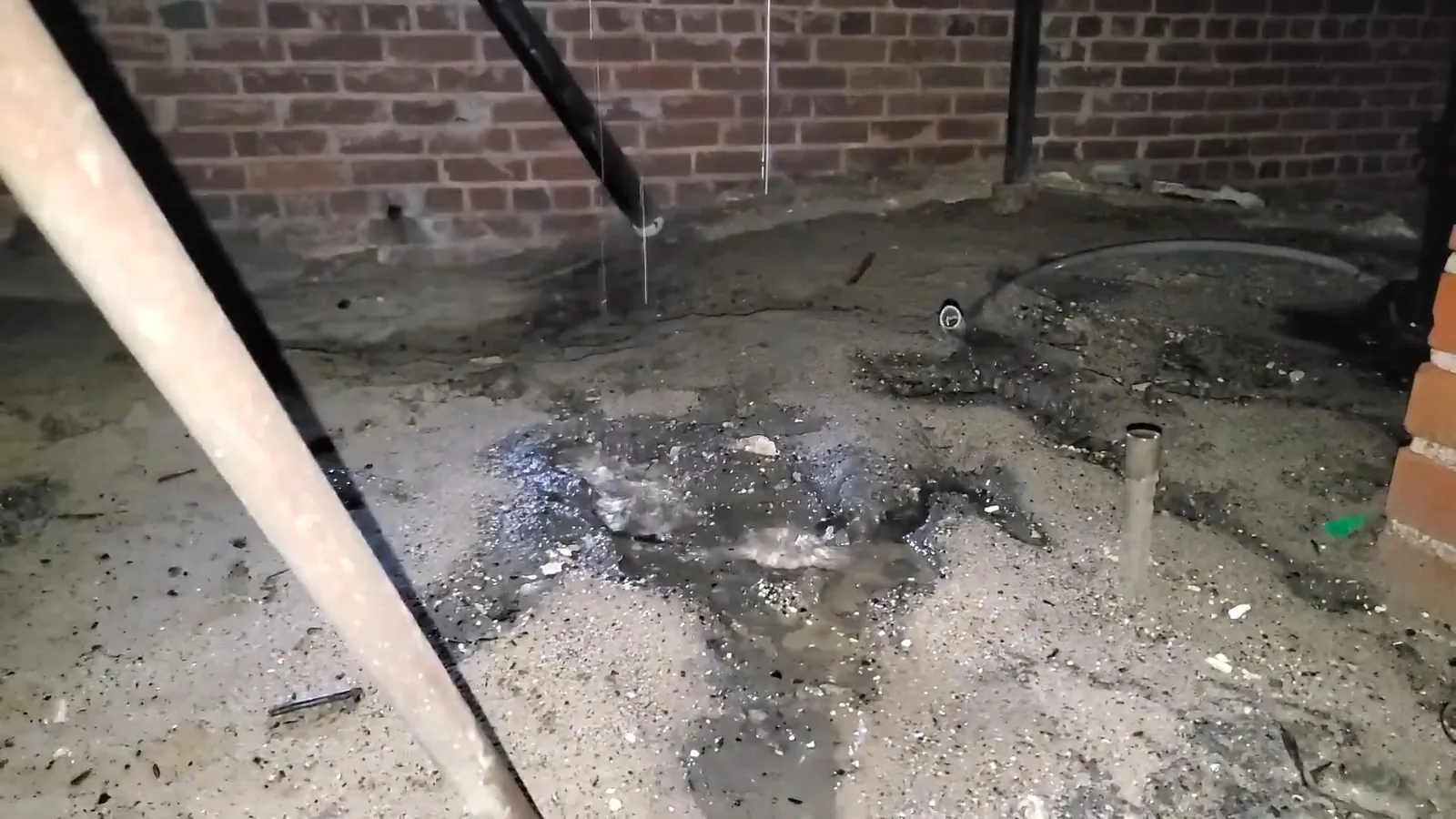
Once the source is stopped, the next hours decide how much of the house is lost. Water spreads sideways and upward through materials faster than most people expect, and the drying you do early costs far less than the repairs that follow slow drying.
This page covers the part of the job that removes water and dries the structure. It does not cover rebuilding, painting or flooring replacement. Those are separate trades, and a good plan separates them.
What should I do in the first hour of water damage?
- Stop the source. If it is a plumbing leak, shut the main water valve. If you cannot find or reach it, call.
- Turn off power to the affected area at the panel if it is safe to reach and you are not standing in water. Never touch outlets or appliances in standing water.
- Move furniture, rugs and valuables out of the wet area. Lift upholstery off wet carpet and prop it on blocks.
- Photograph everything before anything is moved or removed, including the source and the water line on walls.
- Open windows if the weather allows, and run fans toward the outside, not toward dry rooms.
Water already on the floor? Call and describe where it is and how much.
CALL FOR WATER DAMAGE HELP(888) 681-3447Was it clean water, or something worse?
What the water carried decides what is safe to keep. Clean supply water from a burst pipe is the simplest case. Water that has backed up from a drain or sewer, or flood water from outside, carries contamination, and porous materials it has soaked are generally removed, not dried.
| Source | What it means | What to do |
|---|---|---|
| A broken supply line, heater or fixture | Clean water at first, becoming dirtier the longer it sits | Dry quickly and photograph the source |
| A backed-up drain or sewer | Contaminated, with a health risk | Keep people and pets out and call. See a backed-up sewer line |
| Storm or flood water from outside | Contaminated and often a separate insurance matter | Call, and ask your insurer what it covers |
What removal and drying actually involve
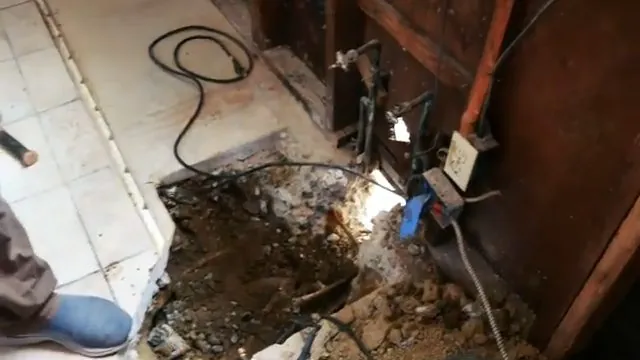
The crew removes standing water with pumps and extractors, then opens or removes materials that will not dry in place, such as saturated carpet pad or soaked insulation. Fans and dehumidifiers then pull moisture from what is left. Meters are used to confirm that the materials have returned to a normal reading, instead of guessing from touch.
- Extraction: removing standing water from floors and surfaces.
- Removal of what cannot be saved: soaked pad, insulation or drywall below the water line.
- Drying: air movers and dehumidifiers placed to push moisture out of the structure.
- Monitoring: moisture readings recorded until materials reach a normal level.
Ask for the readings in writing when the job is finished. They are the proof that the structure is dry, which matters if a claim or a later dispute comes up.
Who handles what after the drying
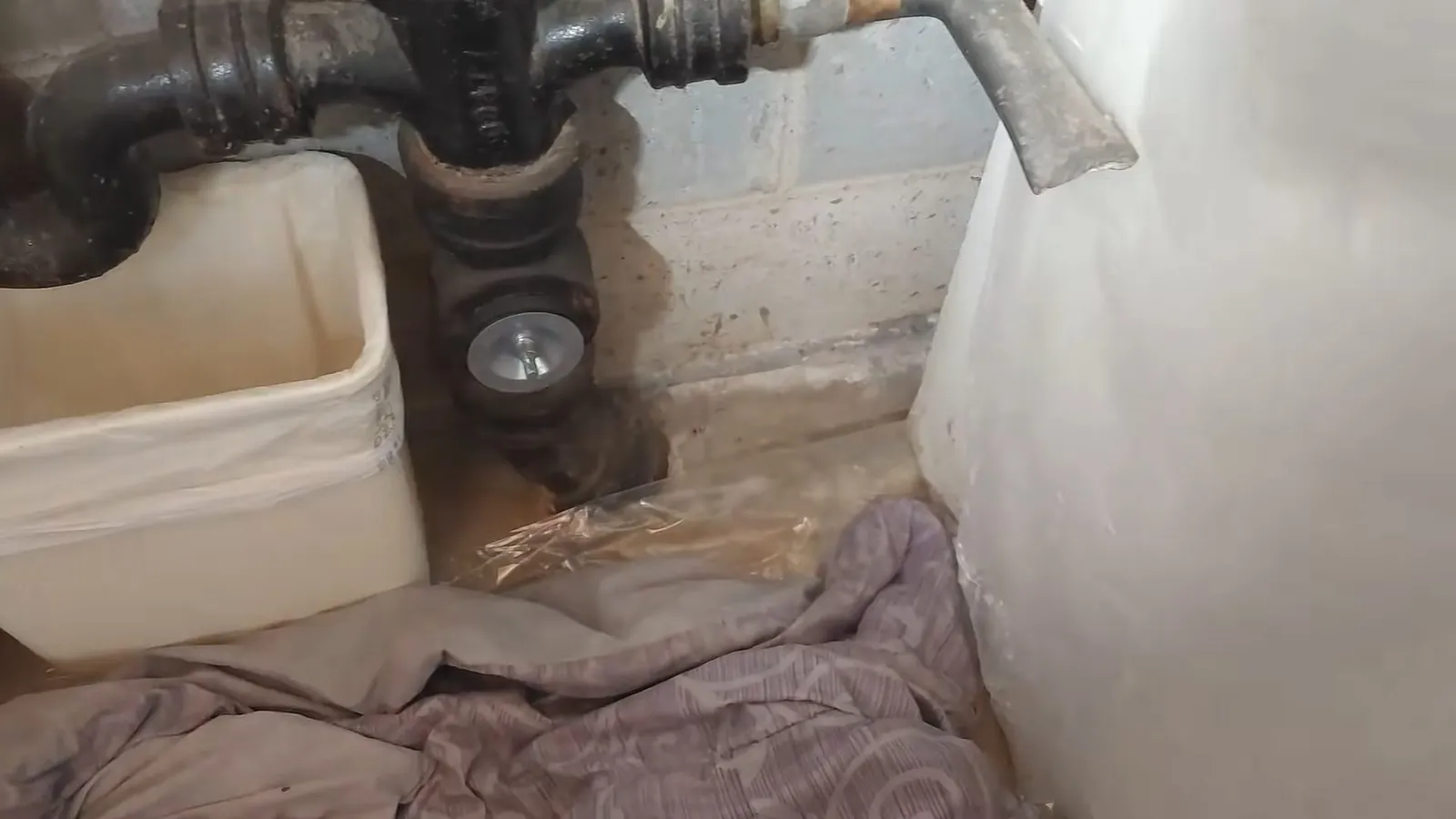
Drying is not repair. After materials are dry, someone has to replace drywall, paint, install flooring and reconnect fixtures. That is a separate scope, and it usually needs a separate contractor. If the cause was a leak, the plumber who stops it should be able to tell you what was repaired and what to watch.
- The plumbing repair: a plumber. See finding the source of a leak.
- Drying and extraction: the crew this page covers.
- Rebuilding and finishes: a general contractor or finish trades.
- Mold: a mold specialist. Standing moisture for a long time is the reason to dry quickly.
How long will drying take?
It depends on the amount of water, the materials it soaked and the humidity in the house, so no honest number can be given before someone measures. What the crew can tell you is what they plan to do and how they will know it is finished.
- Which rooms and materials will be dried, and which will be removed.
- What equipment will run, and for how many days before the first check.
- How readings will be taken, and when you will see them.
- What you should do meanwhile: keep the equipment running, keep doors closed in the drying area and keep people out.
Drying out a flooded home: what helps and what does not
Fans and open windows help in the first hours, as long as they move air out and the weather is dry. Mopping standing water helps. Turning the air conditioning off in a humid season, or heating a wet room closed, does not. Leave wet carpet in place and take photos, unless it is contaminated.
Insurance and documentation
Call your insurer early and ask what they need. Coverage differs by policy and by the cause of the water, and flood from outside is often handled separately from a burst pipe. Keep photos of the damage before cleanup, the plumber's report on the source, drying logs and receipts.
Do not discard soaked materials until your insurer says you may, unless they are a health hazard. Photograph them first.
When water damage cannot wait
- Call now: water spreading across a floor, a wet ceiling that is sagging, water near electrical equipment, or any sewage.
- Call the same day: damp drywall or carpet after the source has been fixed.
- Call soon: a musty smell after a leak, which means something is still wet.
A call about water damage is answered on a separate line from plumbing calls, so use the number on this page. If the cause is still active, tell the plumber first so the source is stopped, and see repairing a burst pipe.
Water in the house right now?
Call and describe where the water is and what it came from. Help starts from the answer.