
Home / Services / Tankless Water Heaters
TANKLESS WATER HEATER SERVICES
Tankless Water Heater in Sarasota, FL: Is the Upgrade Right for Your House?
A tankless unit promises hot water that does not run out and no tank to leak. It can deliver both, but the house has to be ready for it. Here is what to check before you commit.
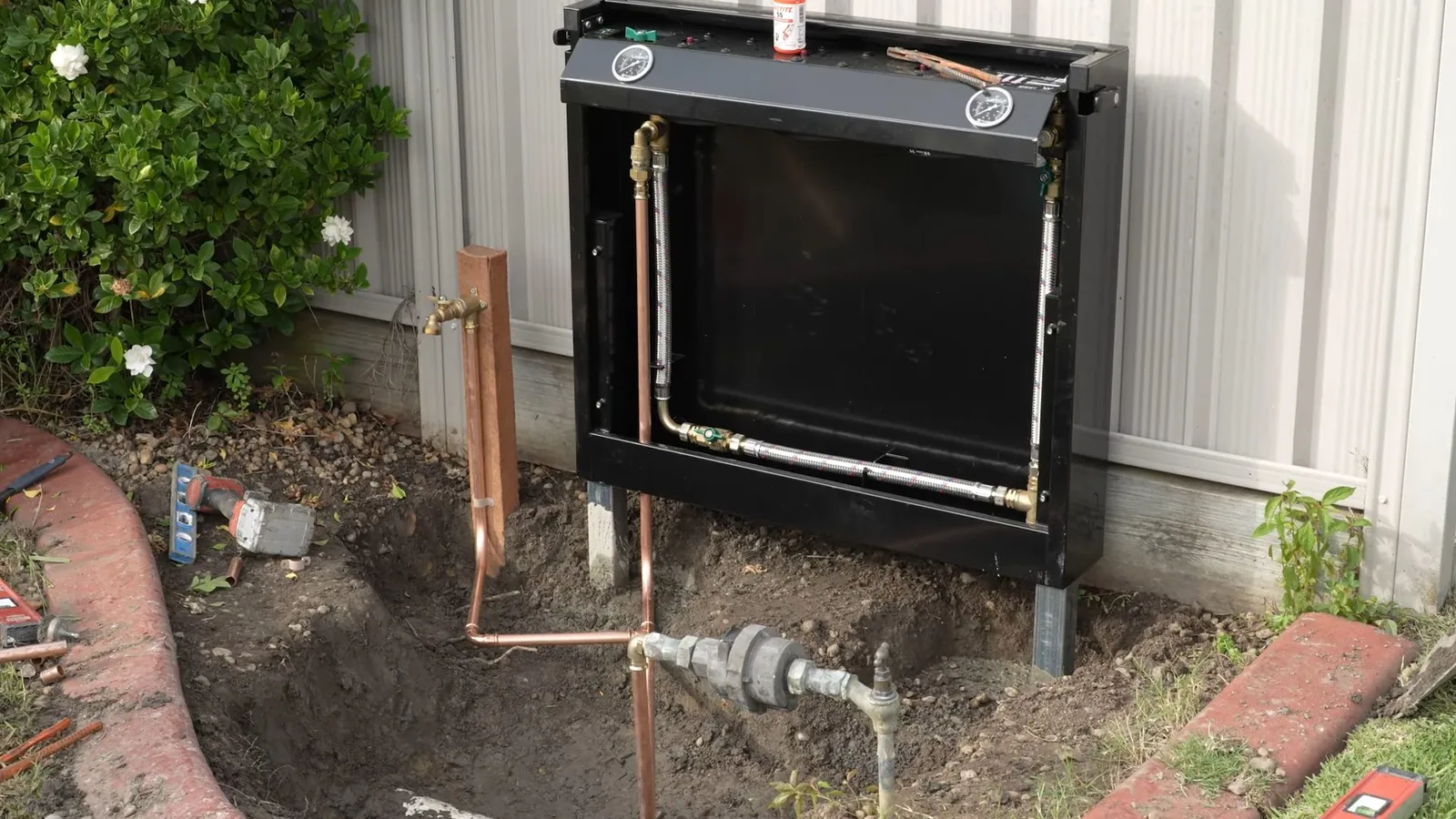
The pitch for a tankless heater is simple: hot water on demand, no storage tank. The catch is that the unit has to heat water fast as it flows, which asks more of the gas line, the vent and the electrical supply than a tank does.
Can my house support a tankless water heater?
| What to check | Why it matters |
|---|---|
| Gas line size | A tankless burner needs much more gas at once than a tank burner. An undersized line starves it |
| Venting | Most units need a different vent material and route than a tank |
| Electrical outlet | Even gas units need power for the controls and fan |
| Water pressure and flow | The unit needs a minimum flow to fire, and weak pressure means weak output |
| Location | Wall space, clearance and drain access decide where it can mount |
Ask the plumber to check each of these before quoting. A quote that does not mention the gas line is incomplete.
Considering a switch? Call and describe your current heater and where it sits.
CALL A PLUMBER NOW(727) 766-0323How much hot water do I actually need at once?
A tankless unit has a maximum flow rate, and a household that runs two showers and a dishwasher at once can exceed it. The answer is not that tankless is bad, but that it has to be sized for your busiest moment. Add up the fixtures you use at the same time and tell the plumber.
Gas supply and venting in more detail
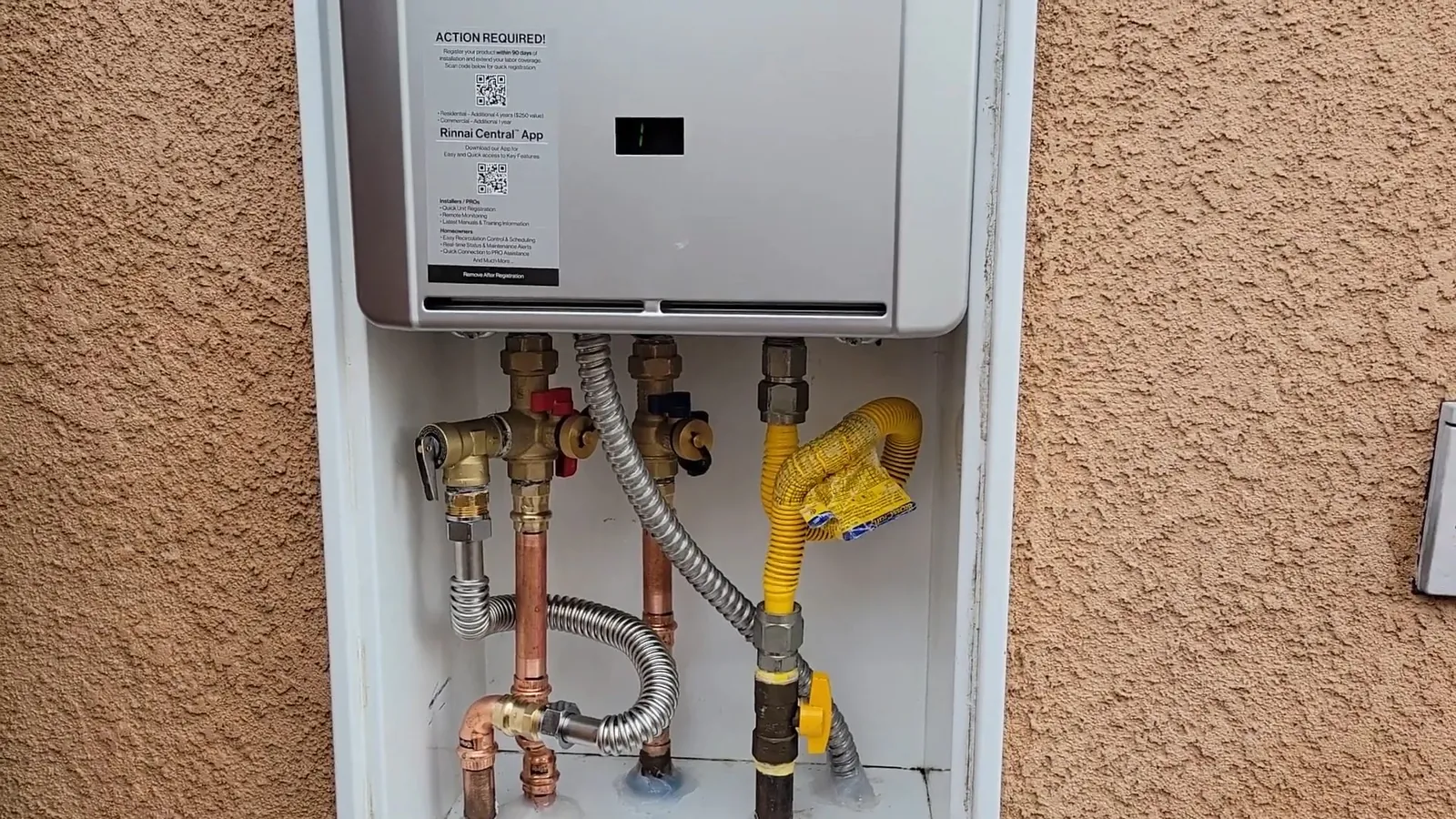
Gas pipe size is set by the total demand and the length of the run. A tankless burner draws far more than a tank burner, so a pipe that served a tank well may need to be larger. Venting is a separate question: tankless units often use a sealed vent made of different material than a tank's. A plumber who does not mention either has not looked at your house.
Short draws, brief cold water and wait times
- Very low flow: a trickle may not trigger the burner, so the water stays cold. Ask what the minimum flow is.
- Short repeated draws: brief cold stretches can occur when a tap is turned on, off and on again. Ask the plumber what to expect.
- Distance to the fixture: a tankless unit does not shorten the wait for hot water at a faraway tap. A recirculation line or a point-of-use unit can.
Flushing and descaling
Minerals in water build up inside the heat exchanger of a tankless unit, restricting flow and cutting output. Flushing the unit removes it. How often depends on your water, so ask your water utility for its hardness figure and ask the plumber how it affects the schedule.
- A unit that gives lukewarm water at low flow, or shuts off mid-shower, may be scaled.
- A unit showing an error code related to flow or temperature needs a service call before more damage is done.
- A unit that has never been flushed is a service call, not a do-it-yourself job.
Do I need a permit?
The City of Sarasota Building Division's guideline does not name water heaters, so call before assuming either way: 941-263-6494 for the City, 941-861-5000 for Sarasota County Building. Ask your plumber to confirm and pull any permit. A change in gas line size or venting is more likely to need one.
Condensate and drainage on high-efficiency units
Condensing tankless units produce acidic condensate that has to drain somewhere. Ask where the unit's condensate line will go and whether it needs a neutralizer. A unit with no drain path is a unit that will leak or corrode over time.
What to expect on installation day
- The old heater is drained and removed, and the gas and water lines are reworked as needed.
- The new unit is mounted, vented and connected to gas, water and power.
- The system is pressure tested and the unit is fired up and checked at several flow rates.
- You get a walkthrough of the controls, the filter, the flush ports and the service schedule.
Replacing an existing tank with tankless
Expect more work than a like-for-like swap. The gas line may need upsizing, the vent will change, and the plumber will need to relocate or reconfigure the supply connections. Ask for a written scope that says what is changed, what is reused and what is not touched.
Cold water in the system and the first minute
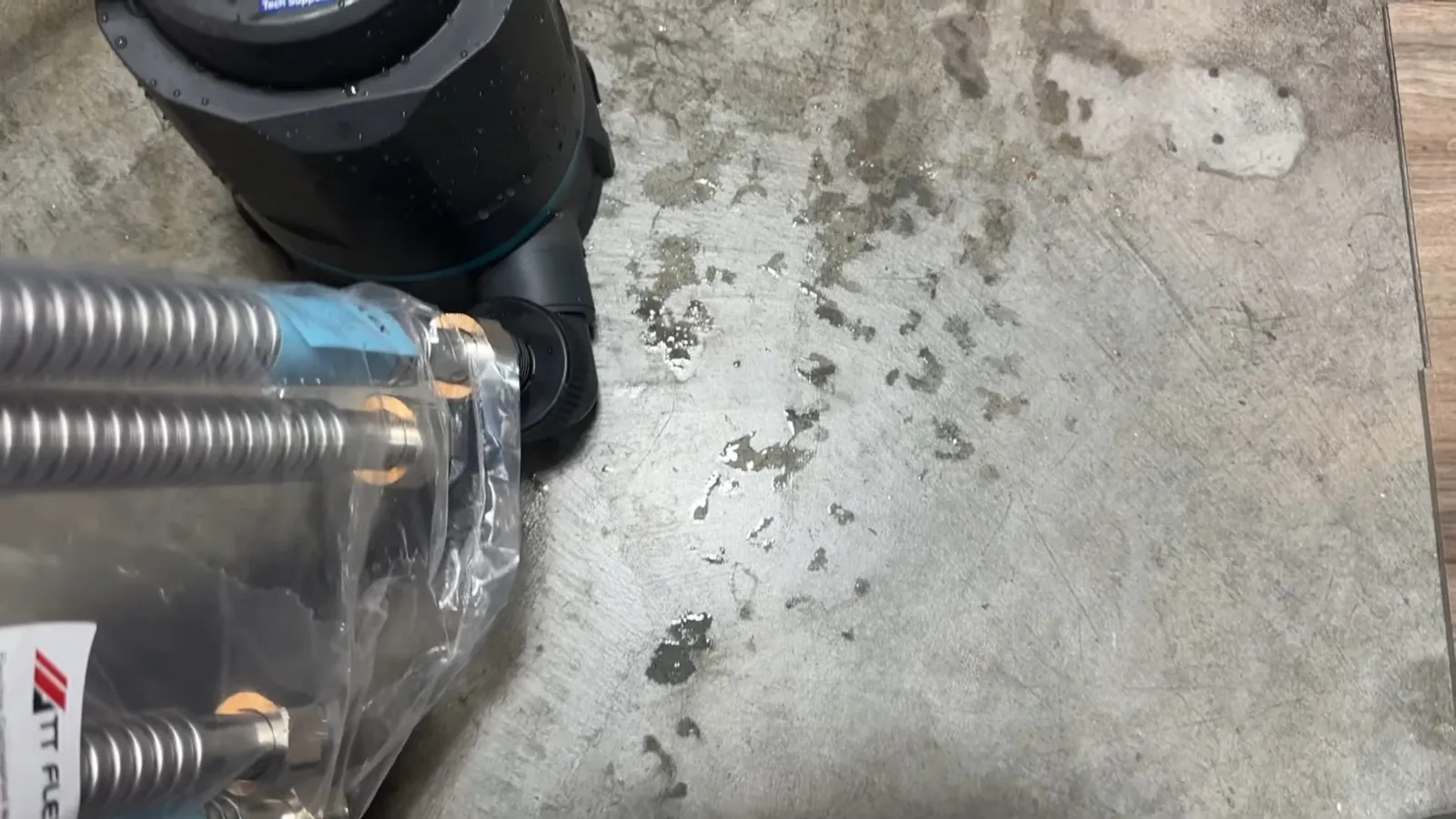
Because a tankless unit heats only when water flows, the pipe between the unit and the fixture holds cooled water at first. That is the same wait you would have with a tank, and it gets longer the farther the fixture is from the heater. Mention your longest run when you describe the house.
Repair, or replace the unit?
Tankless water heater repair usually starts with the error code on the display and the condition of the heat exchanger.
- Repair for a scaled heat exchanger, a failed sensor or an error that clears after flushing.
- Replace when the unit has failed internally or repair costs keep adding up.
- Ask whether the manufacturer's warranty is still active and whether it requires documented flushing.
Keeping service records to protect a tankless warranty
Many manufacturers want proof that the unit has been serviced on schedule before they honor a warranty claim. Ask the plumber for a written note of each flush, the date and the readings. Store it with the unit's paperwork, and keep the manual where the next person can find it.
Under-sink point-of-use heaters versus whole-house tankless
A small under-sink unit supplies hot water to one fixture and removes the wait at a distant tap. It is a different product, with a different install, and it does not replace a whole-house heater. Ask whether one would solve a specific complaint.
If your tank is failing and you are weighing both options, read about replacing a tank heater. For what changes the price, see tankless installation pricing factors.
Thinking about tankless?
Call and describe your house, your current heater and how you use hot water. The plumber will tell you what the swap involves.